Many patients start to notice their jaw feeling “less tight” within 3–7 days, with the full therapeutic effect around 2–4 weeks after treatment. Relief can show up as reduced clenching/grinding, fewer morning headaches, less jaw soreness, and easier chewing, though response time varies person to person.
Request Appointment
Booking made easy and convenient. Let our client concierge team know how to get in touch to book your appointment.
"*" indicates required fields
Botox & Neurotoxins
First and foremost, Botox can reduce symptoms of TMJ/TMD, pain from headaches, tightness in the facial skin, and more.
Years of clenching, grinding, stress, and everyday tension can overwork the muscles of the jaw and face, often leading to TMJ/TMD discomfort, headaches, facial soreness, and tightness that can impact your daily life.
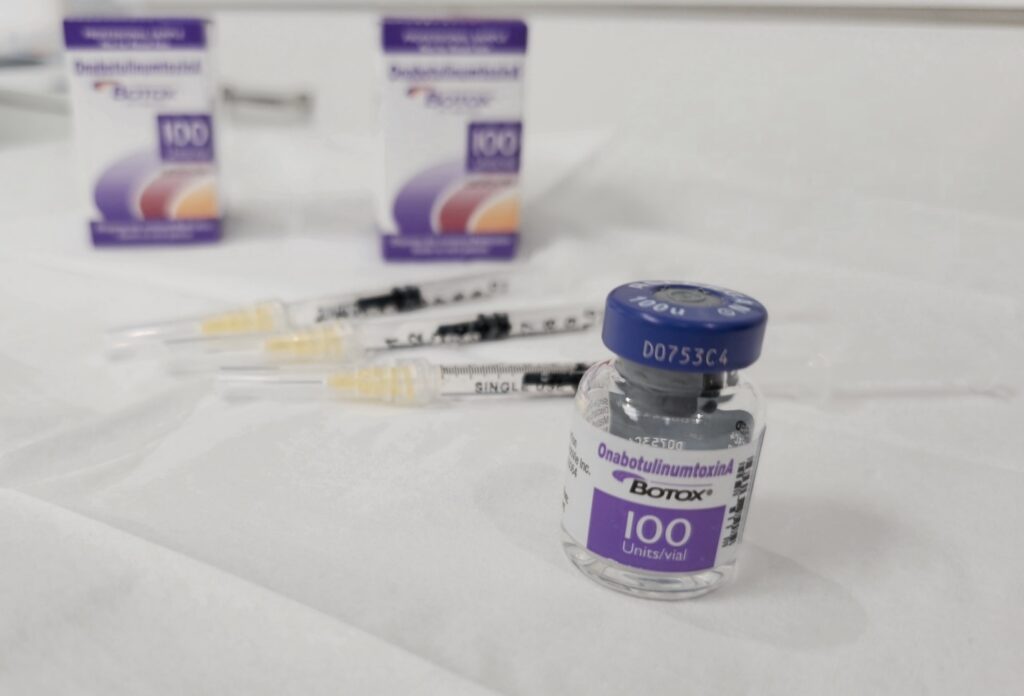
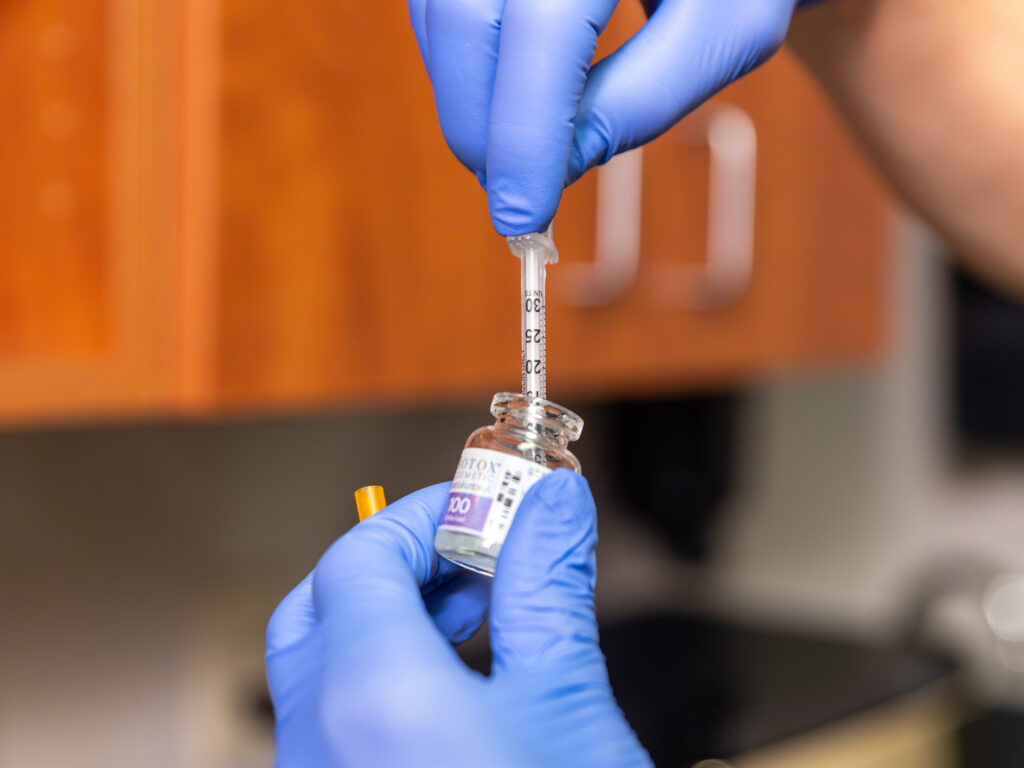
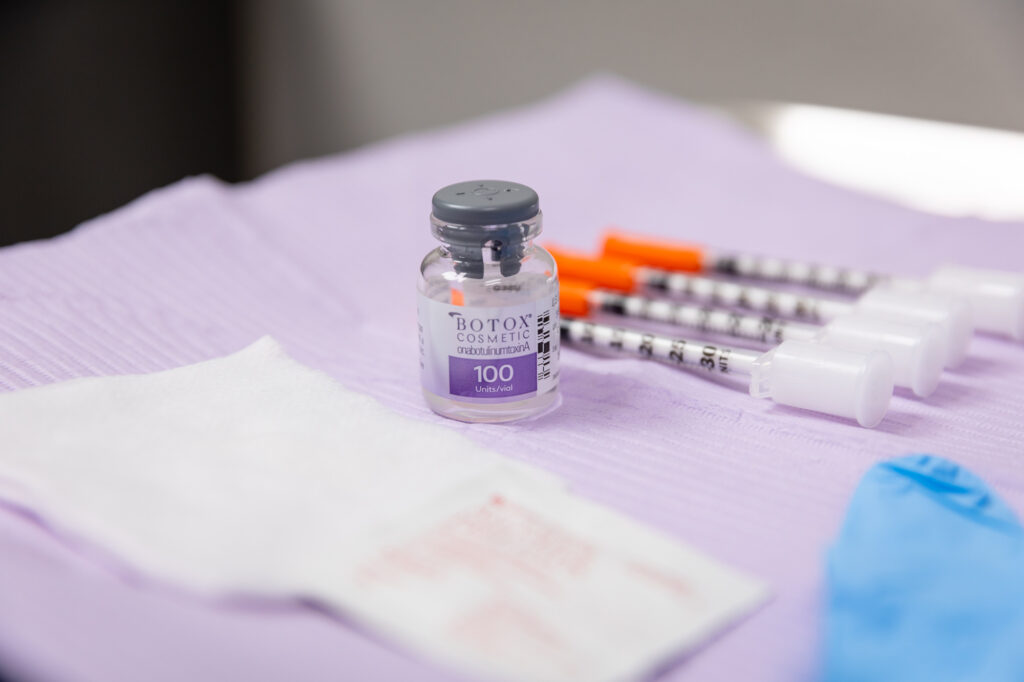
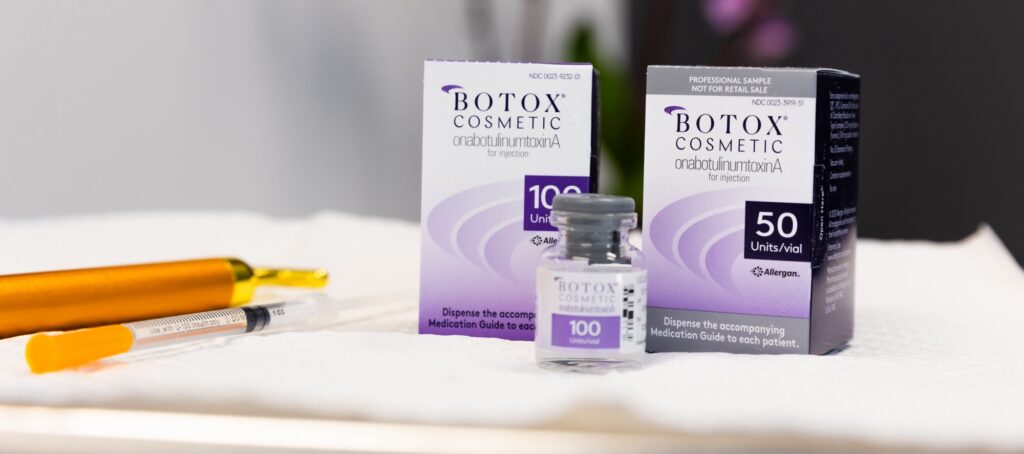
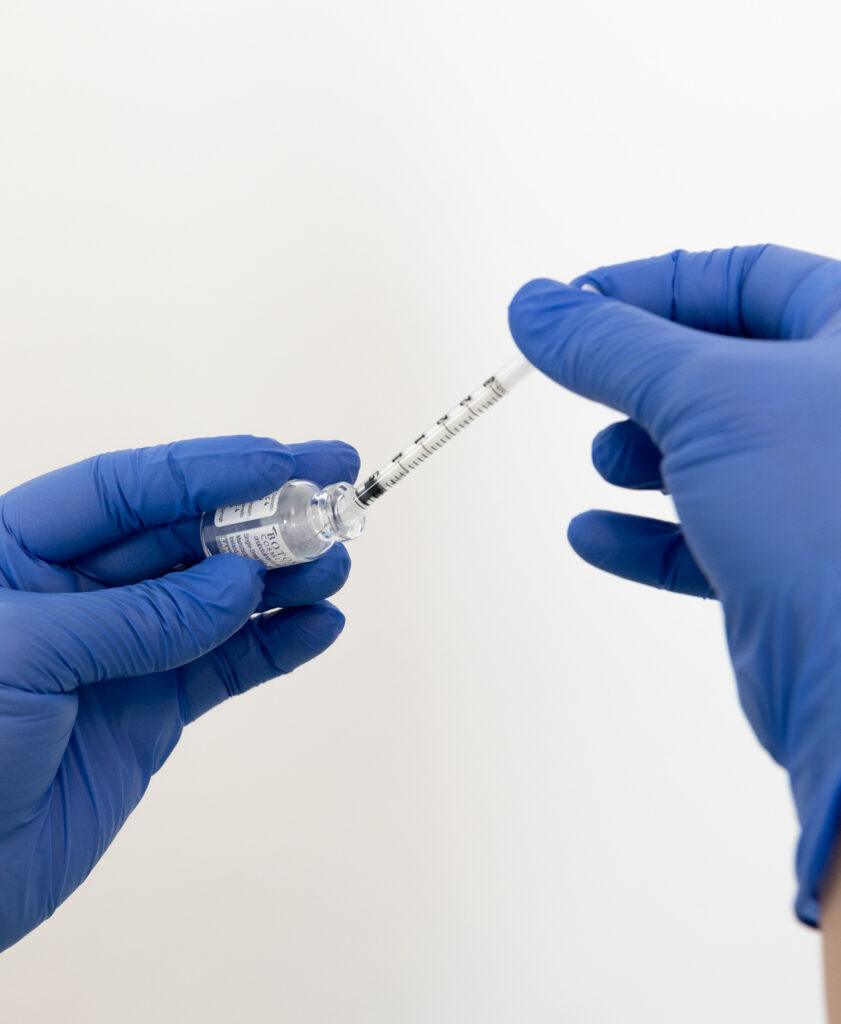
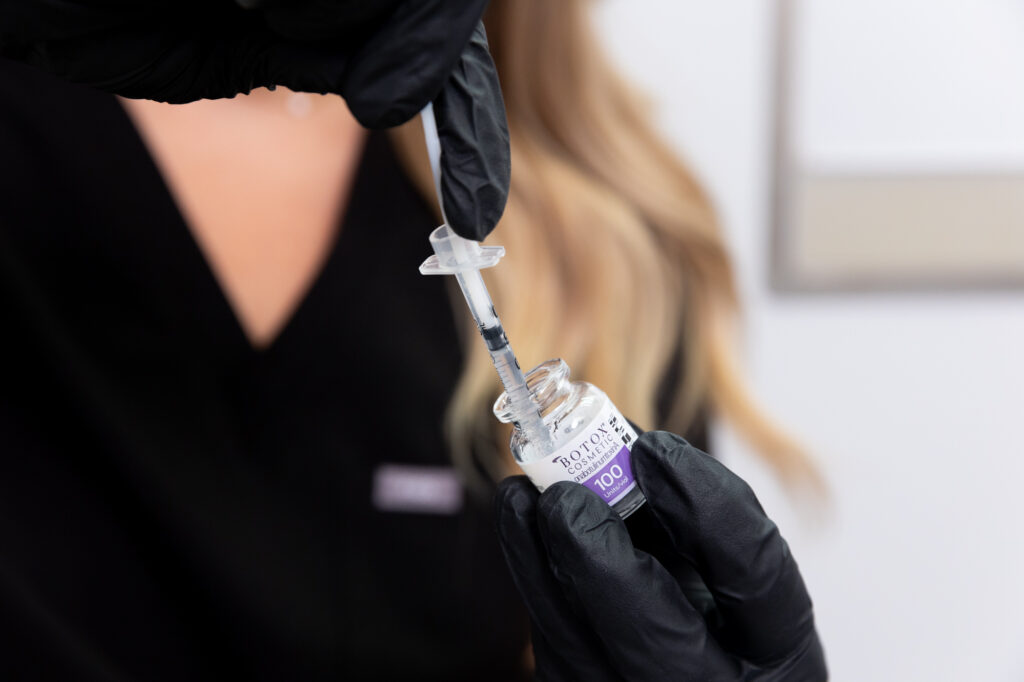
At North Shore, our medical team is certified to administer therapeutic Botox and regularly completes advanced training to ensure safe, precise care. While many people recognize Botox for cosmetic use, it’s also a well-established medical treatment used to help relax overactive muscles and reduce pain caused by chronic tension and muscle hyperactivity.
We commonly use medical Botox in our Huntington office to help address concerns like TMJ-related jaw pain, bruxism (teeth grinding), tension headaches, and facial muscle tightness, with strong outcomes across a wide range of patients. With the right injector and treatment plan, Botox can help decrease muscle strain, improve comfort, and support better day-to-day function so you can feel real relief.
What it Treats
Medical Botox in Huntington treats a variety issues. Using our personally curated treatment plan, you can reduce discomfort and improve your well-being.
-
TMJ/TMD
-
Headaches
-
Jaw Pain
-
Clenching & Grinding (Bruxism)
-
Facial Tension
-
Facial Muscle Soreness
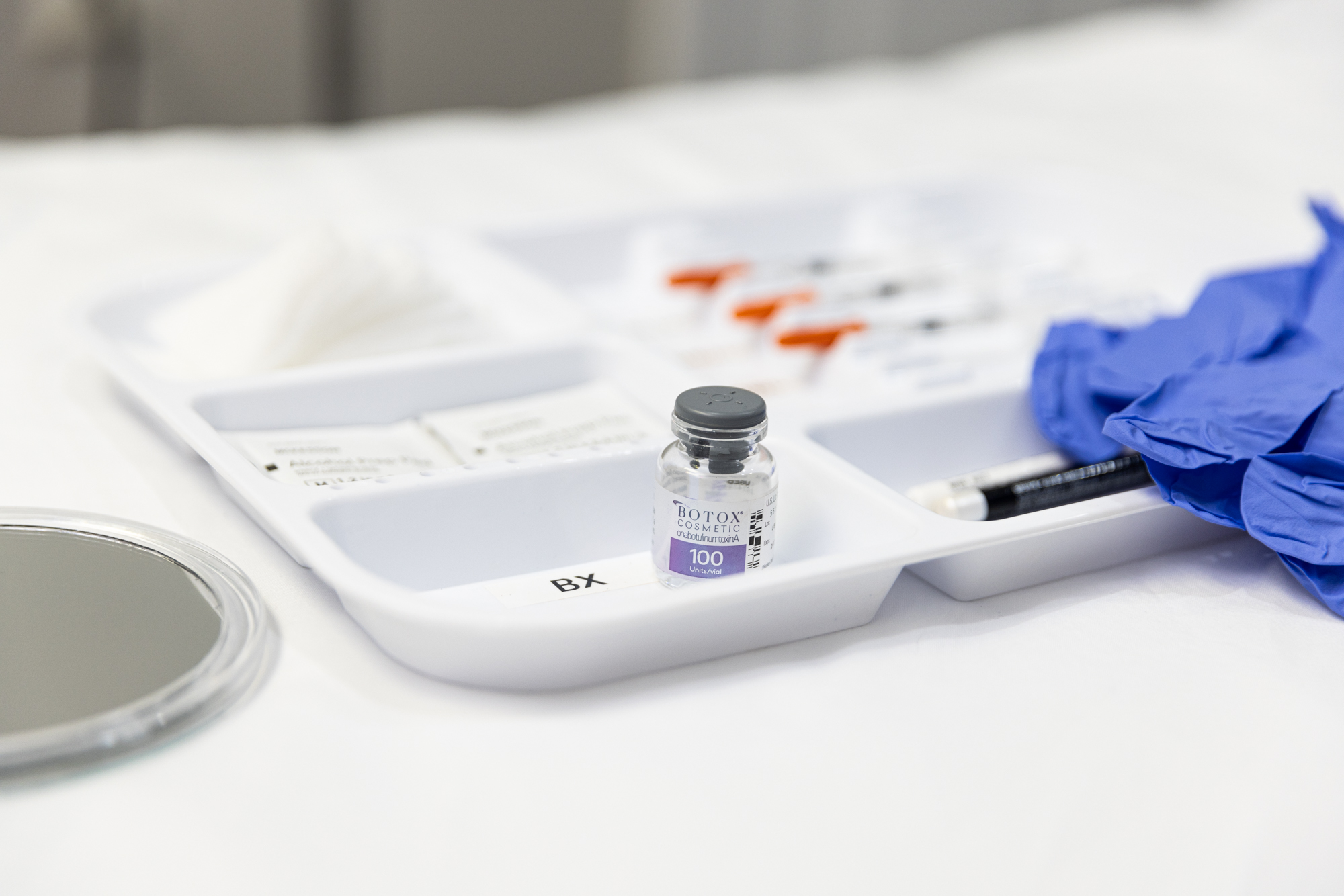
The Botox Process
What to Expect
Why Try Medical Botox in Huntington
Botox Benefits
Effectiveness
Medical Botox is highly effective for relaxing overactive muscles, which can help reduce TMJ/TMD-related jaw pain, clenching/grinding (bruxism), tension headaches, and facial tightness. By calming the muscles that are doing too much work, many patients experience meaningful relief and improved day-to-day comfort.
Safety
Botox is FDA-approved and has a long track record of use in medical care. When administered by a trained provider with appropriate dosing and placement, therapeutic Botox is considered a safe, well-studied option for eligible patients.
Versatility
Medical Botox can support a variety of functional concerns, including TMJ pain, bruxism, headache patterns linked to muscle tension, and facial/jaw muscle hyperactivity. Treatment plans are tailored to your symptoms and anatomy, and it can be used successfully for patients of many ages, skin types, and backgrounds.
Get Personalized Recommendations
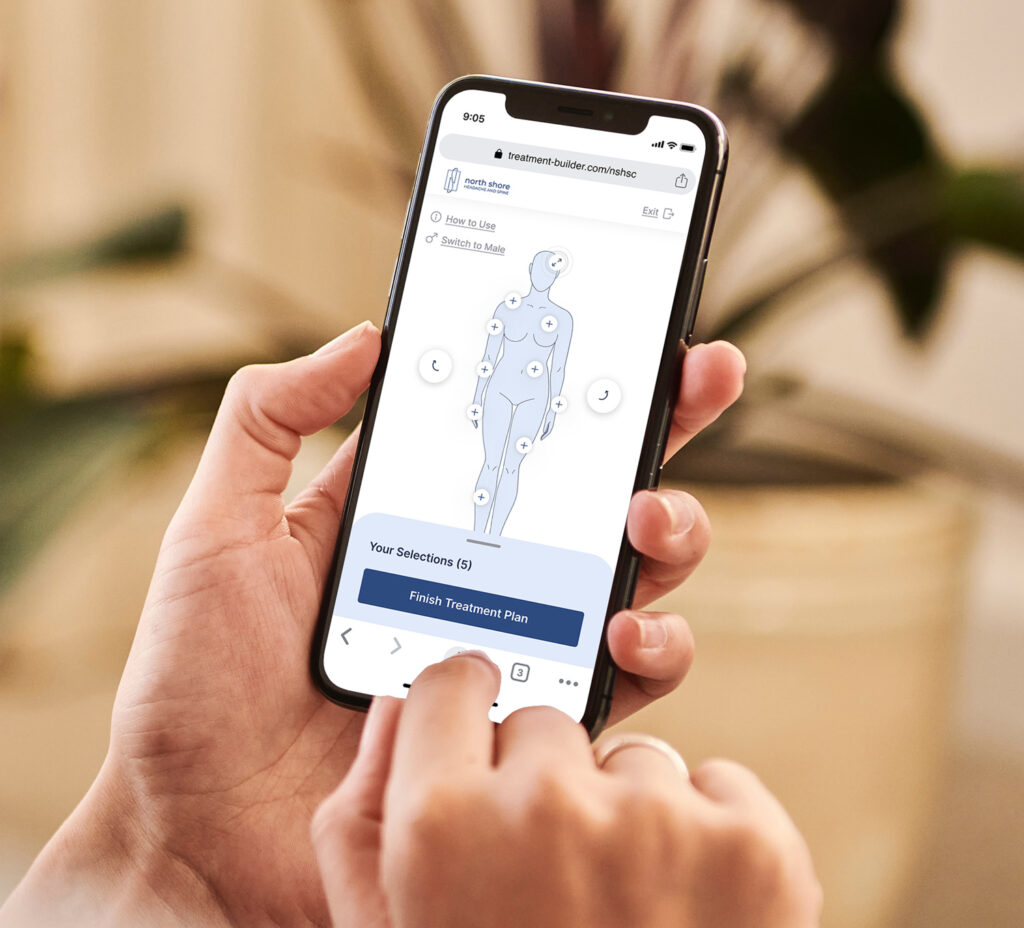
Get matched with personalized treatment options based on your unique concerns by using our complimentary Treatment Planning Tool.

Pre-Care Instructions
Prior to Your Botox Injections in Huntington, North Shore Recommends:
Post-Care Instructions
Following Your Botox Injections in Huntington, North Shore Recommends:
Contact Us
Contact Us
"*" indicates required fields
Frequently Asked Questions
For TMJ-related muscle tension, results typically last about 3–4 months. Factors like the strength of your masseter/temporalis muscles, stress levels, nighttime grinding, and individual metabolism can affect duration. With repeated treatments, some patients find they can go a bit longer between visits over time.
A therapeutic Botox visit is usually 10–15 minutes for the injections, after a focused evaluation. Your provider will assess:
-
- where you’re holding tension (masseter, temporalis, sometimes other muscles),
- your bite/clenching patterns,
- pain triggers and symptom history, then tailor dosing and placement accordingly.
When performed with a therapeutic, anatomy-based approach, the goal is to reduce overactivity of the jaw muscles, not change your facial expression. Most patients look the same, just more comfortable. Your provider will use precise placement and conservative dosing to minimize risks like unwanted weakness, smile changes, or chewing fatigue.
There isn’t a one-size-fits-all number. Dosing depends on:
- muscle size/strength (often larger in frequent clenchers/grinders),
- symptom severity (pain, headaches, locking/clicking, muscle spasm),
- whether one side is more active than the other,
and which muscles are contributing (masseter and/or temporalis).
Treatment may involve several small injections per muscle to evenly relax the area while preserving normal function.
Not at all. Men and women commonly experience jaw clenching, grinding, and TMJ-related pain. Therapeutic Botox is frequently used for patients of all genders who want relief from muscle tension, headaches, tooth wear from grinding, or jaw discomfort without looking “treated.”